Disclosure: This website uses affiliate links; I may earn commissions at no extra cost to you. Learn more.
What is Active Intelligence 3.0: Wavelength?
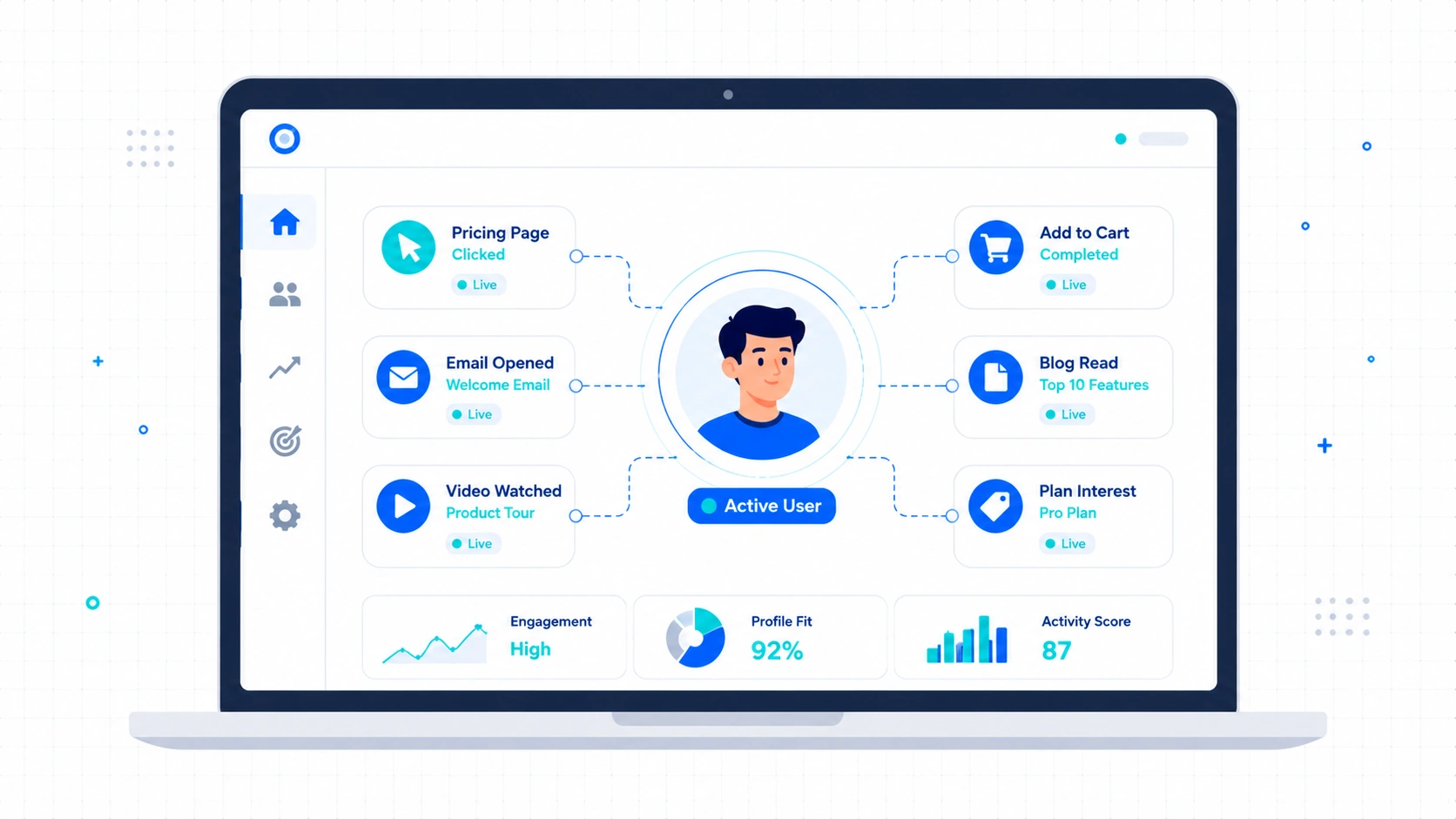
Active Intelligence 3.0: Wavelength is software that adapts your marketing messages in real time based on how a subscriber behaves by ActiveCampaign, built with deep account depth. It stops relying on static lists and starts reacting to live buyer signals.
Gathering data is easy. Making a profitable decision based on that data is hard.
Active Intelligence bridges that gap automatically.
The old way of email marketing meant guessing what people wanted. You built a list and blasted the exact same message to everyone on a Tuesday morning. You hoped a small percentage of them were ready to buy.
Most were not.
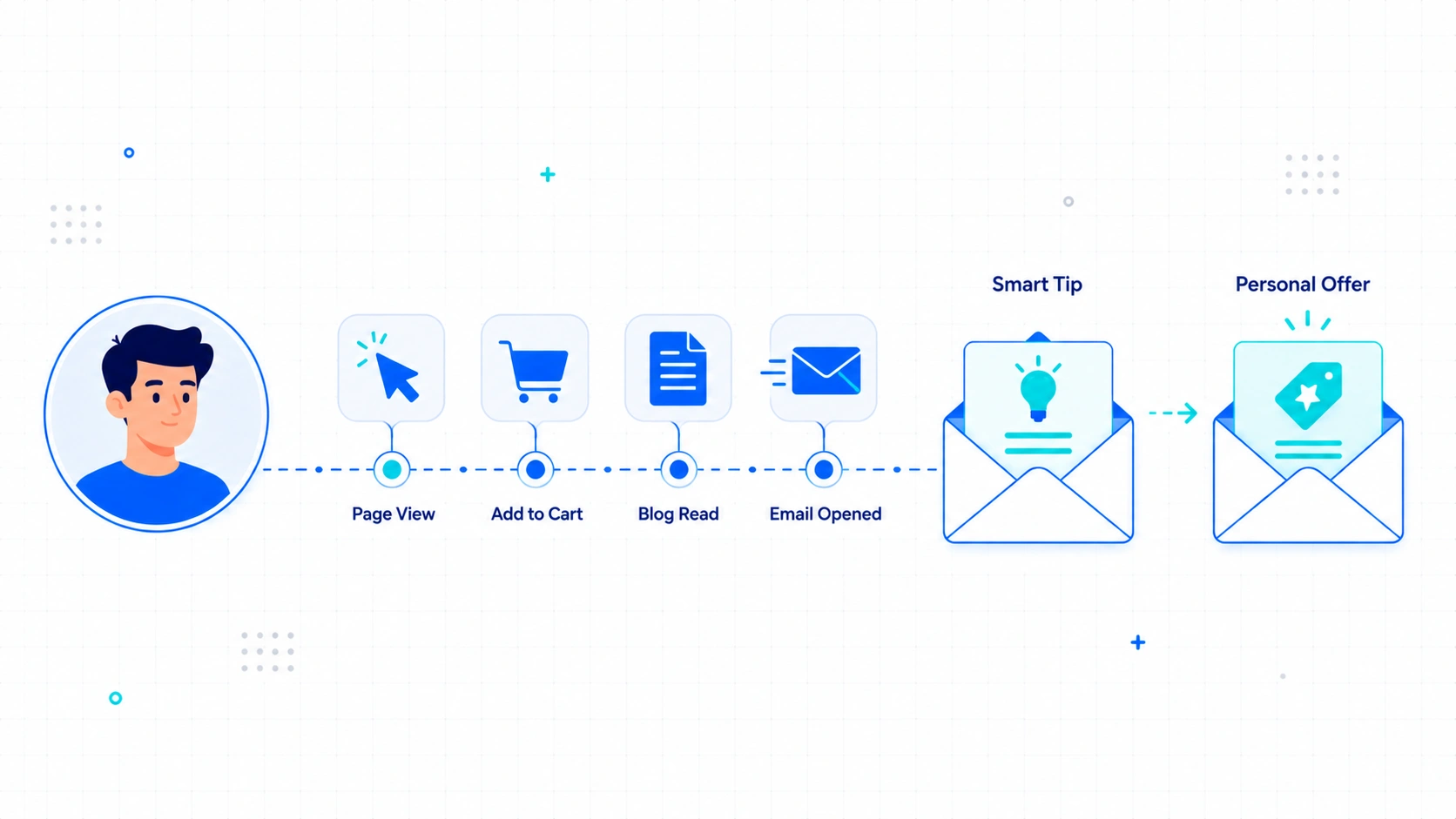
Now, the software does the watching for you. It tracks what links people click. It records what pages they read. It notes the exact time of day they open their inbox.
Then it changes the next email they receive automatically. It takes raw behavioral information and turns it into an immediate marketing action.
With Active Intelligence 3.0: Wavelength, it goes beyond just reacting. It uses proactive intelligence to draft campaigns, suggest timely ideas, and act before you even ask, tailored specifically to your account history rather than generic best practices.
How does Active Intelligence differ from traditional automation?
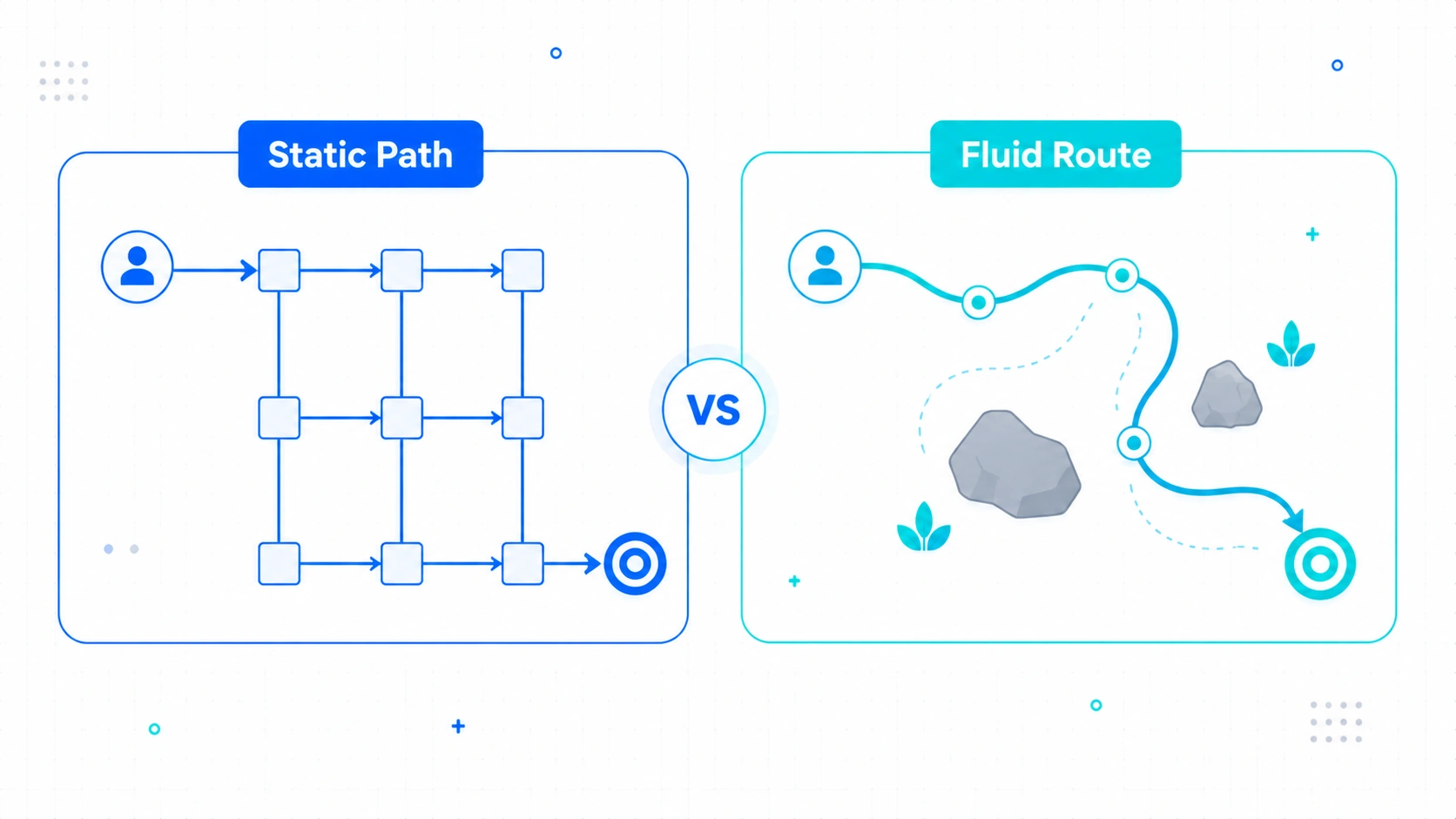
Traditional automation requires manual rules you build yourself. Active systems update themselves based on live user actions without your constant input.
Traditional automation assumes humans are predictable. Active intelligence knows they are not.
If-then rules break easily. You set up a sequence assuming a buyer will do exactly what you want. You assume they will open email one, click email two, and buy on email three.
Real people never behave like that. They skip emails. They click random links. They forget you exist for a month.
Traditional software forces you to build a messy web of tags to handle those exceptions. Active software adjusts the route instantly. It shifts the messaging based on the action the user just took five seconds ago.
Traditional Automation vs Active Intelligence
| Feature | Traditional If-Then Automation | Active Intelligence Systems |
| Trigger Type | Single static action (like a form submit). | Continuous stream of micro-actions (site visits, link clicks). |
| Logic Rules | Set manually by you. | Adjusted by software patterns and adaptive memory. |
| Data Updates | Batched or delayed. | Instantaneous profile changes. |
| Send Times | Fixed schedule blocks. | Tailored to individual opening history. |
| List Cleaning | Manual opt-out rules you must run. | Automatic engagement scoring drops. |
| Adaptability | Rigid structure that breaks easily. | Fluid routing that adjusts constantly. |
| Campaign Drafting | Staring at a blank page. | Proactive drafts and ideas via the AI Actions Library. |
| Workflow Monitoring | Waiting for broken links or leaks. | Automation Insights and Health monitoring flows proactively. |
The Customer Intent Spectrum
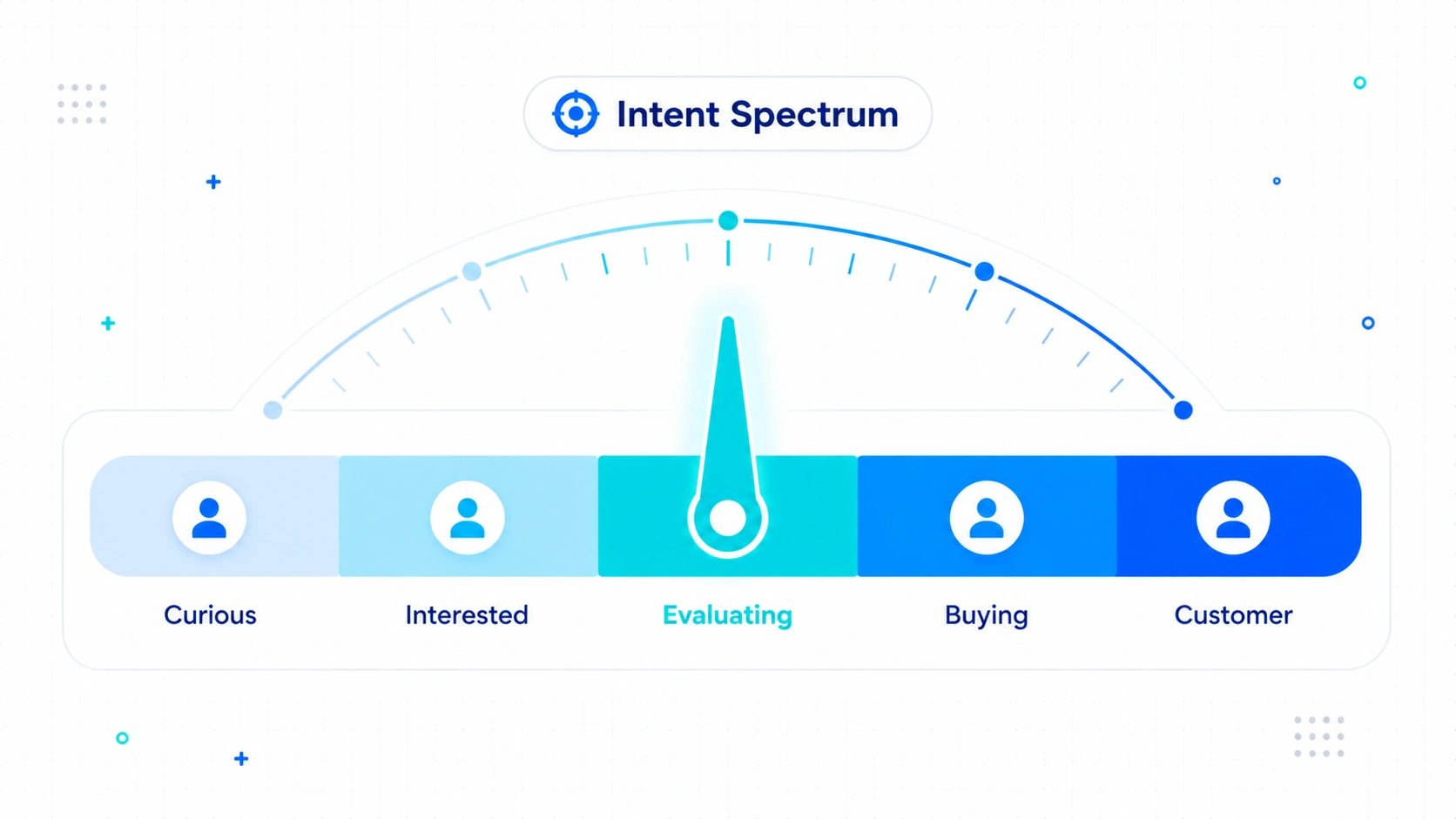
The Customer Intent Spectrum maps how a stranger becomes a buyer and shows you exactly what message they need right now. It prevents you from pitching the wrong offer at the wrong time.
You cannot force a customer through a funnel. You can only meet them where they already are.
Creators ruin their sales by treating all subscribers equally. A person who just found your blog does not want your high-ticket consulting package. A person sitting on your checkout page does not need a beginner tutorial.
You have to match your messaging to their exact stage.
Stage 1: Curious
- Signals: The user reads a single blog post or watches one YouTube video.
- Behaviors: Passive scrolling and basic information gathering.
- Messaging Needs: Broad educational content and quick wins.
- Common Creator Mistakes: Pitching a high-ticket course on the first visit.
Stage 2: Interested
- Signals: The user joins your email list to download a free guide.
- Behaviors: Opening weekly emails and clicking generic resource links.
- Messaging Needs: Specific problem-solving content to build authority.
- Common Creator Mistakes: Sending identical broadcast emails without tracking click behavior.
Stage 3: Evaluating
- Signals: The user clicks a sales page link or an affiliate tracking link.
- Behaviors: Comparing your offer against alternative solutions.
- Messaging Needs: Transparent pricing tables and clear comparisons.
- Common Creator Mistakes: Sending basic beginner tutorials to someone who is already trying to buy.
Stage 4: Ready to Buy
- Signals: The user abandons a checkout cart or visits your services page twice in one day.
- Behaviors: High-intent browsing mixed with last-minute hesitation.
- Messaging Needs: Risk reversal and clear guarantees.
- Common Creator Mistakes: Failing to trigger a cart abandonment sequence within the hour.
Stage 5: Customer
- Signals: The user completes the checkout process.
- Behaviors: Accessing the course portal or reading onboarding material.
- Messaging Needs: Clean onboarding steps and fast customer support.
- Common Creator Mistakes: Leaving the buyer on the main pitch list to receive promotional discounts for the product they just bought.
The Difference Between Customer Data and Customer Intent
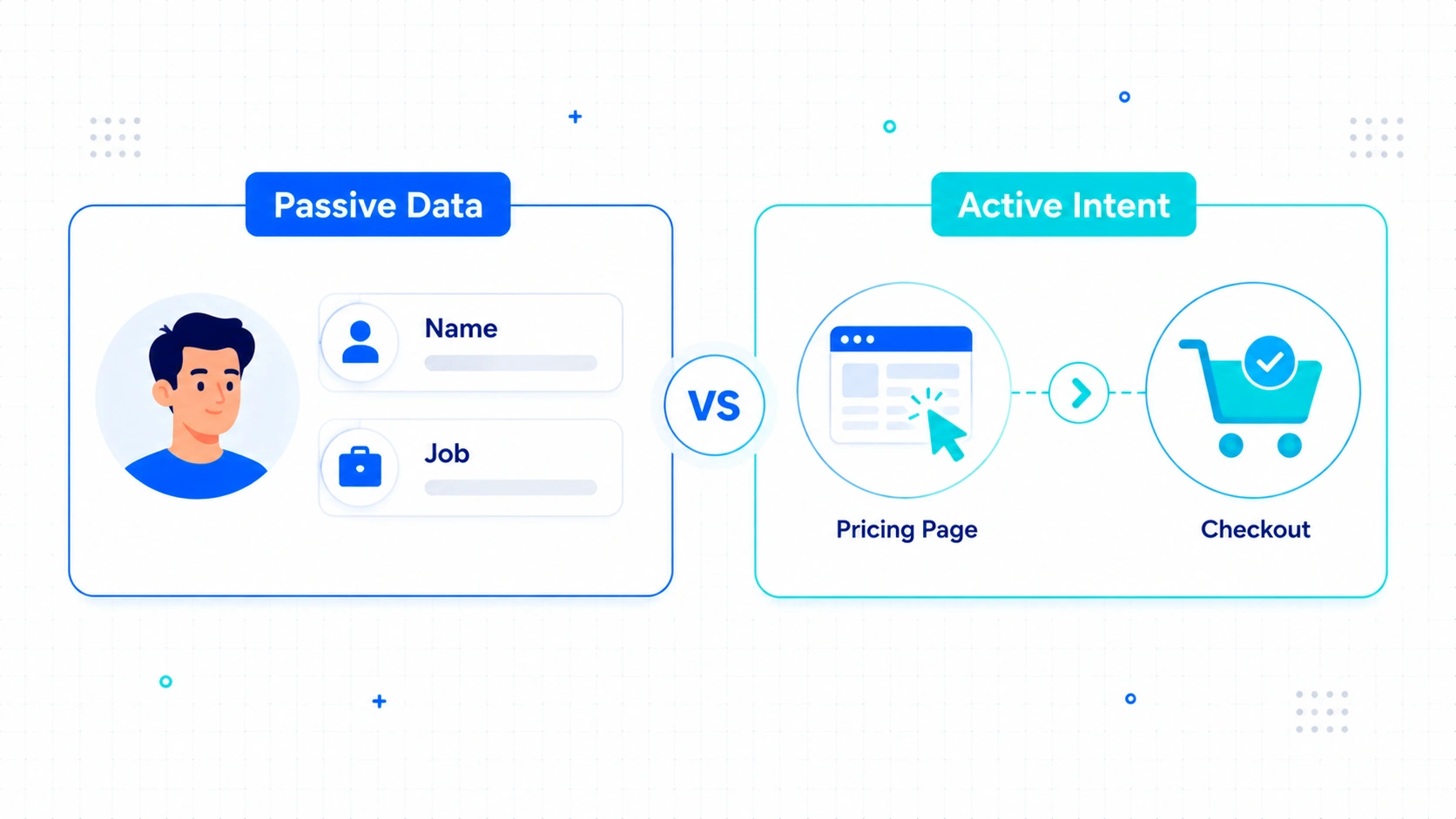
Data tells you what a user did in the past. Intent tells you what they want to solve right now.
Most business owners are obsessed with data collection. They track page views. They look at open rates. They collect names and job titles.
Demographics tell you who someone is. Intent tells you what they are ready to buy.
Having a massive spreadsheet of metrics makes you feel productive. It does not make you profitable.
Collecting thousands of website hits is just data hoarding. It is useless noise. It tells you nothing about who is actually going to buy your product today.
Intent is entirely different. Intent is actionable.
Knowing that a specific subscriber just read your pricing page twice on a Tuesday night is intent. Knowing a reader clicked three different affiliate links for web hosting but did not buy is intent.
Data is passive. Intent requires a response.
Why Better Data Does Not Automatically Create Better Decisions
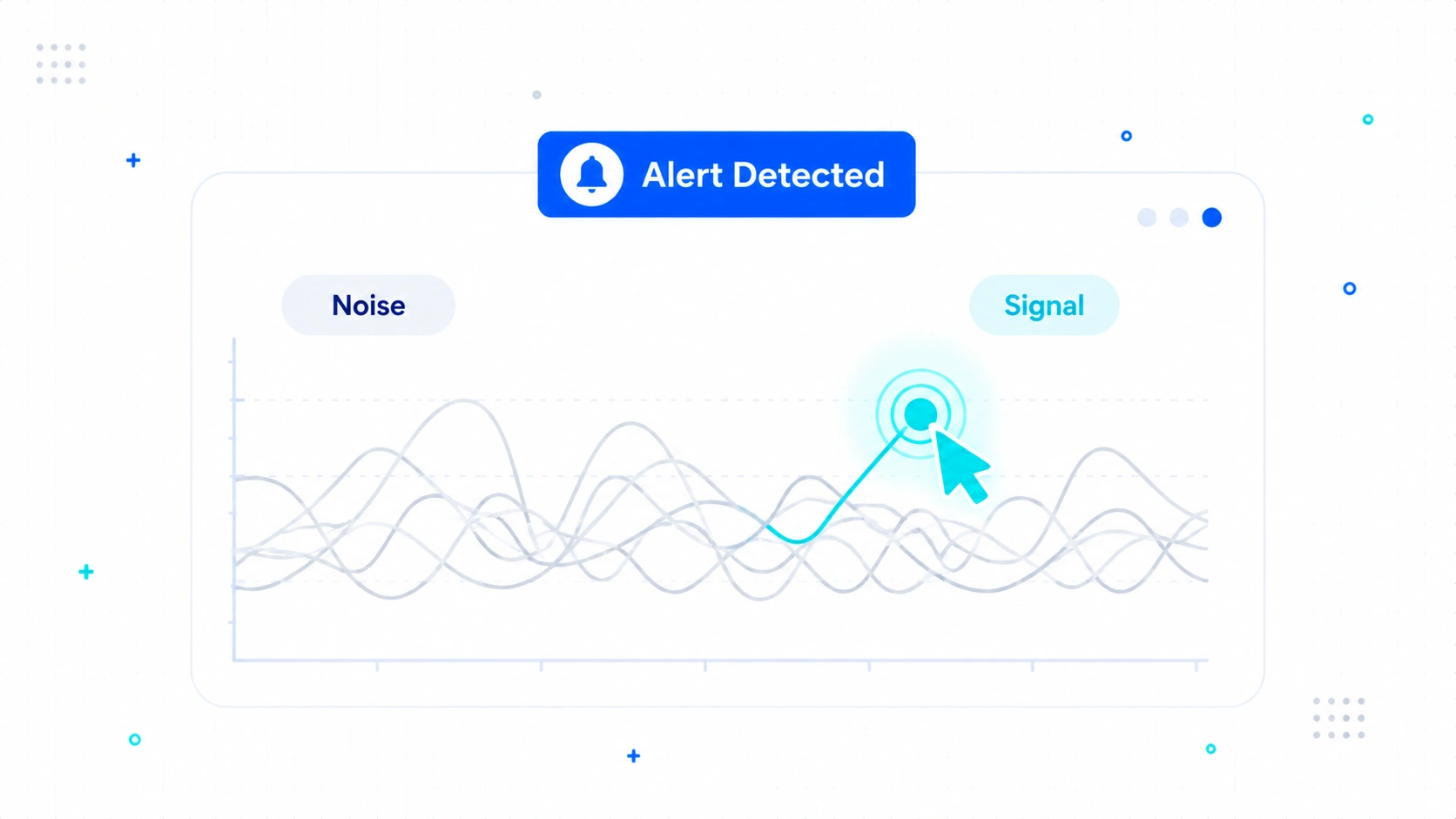
More information usually leads to analysis paralysis instead of higher sales. You drown in metrics while missing the actual buyer.
We have a dashboard addiction in the marketing world. We love looking at graphs. We love seeing lines go up.
You open your analytics and see three thousand page views. That is a vanity metric. It feels good. It gives you zero direction on what email to send next.
This is the trap of information overload. You collect so much noise that you cannot hear the signal.
A spike in traffic is noise. A specific user visiting your checkout page twice in an hour is a signal.
Active Intelligence solves this by ignoring the noise completely. It only alerts you when a signal demands a decision. It improves your decision quality by hiding the useless information and focusing on driving results.
What Active Intelligence does better than human guesswork
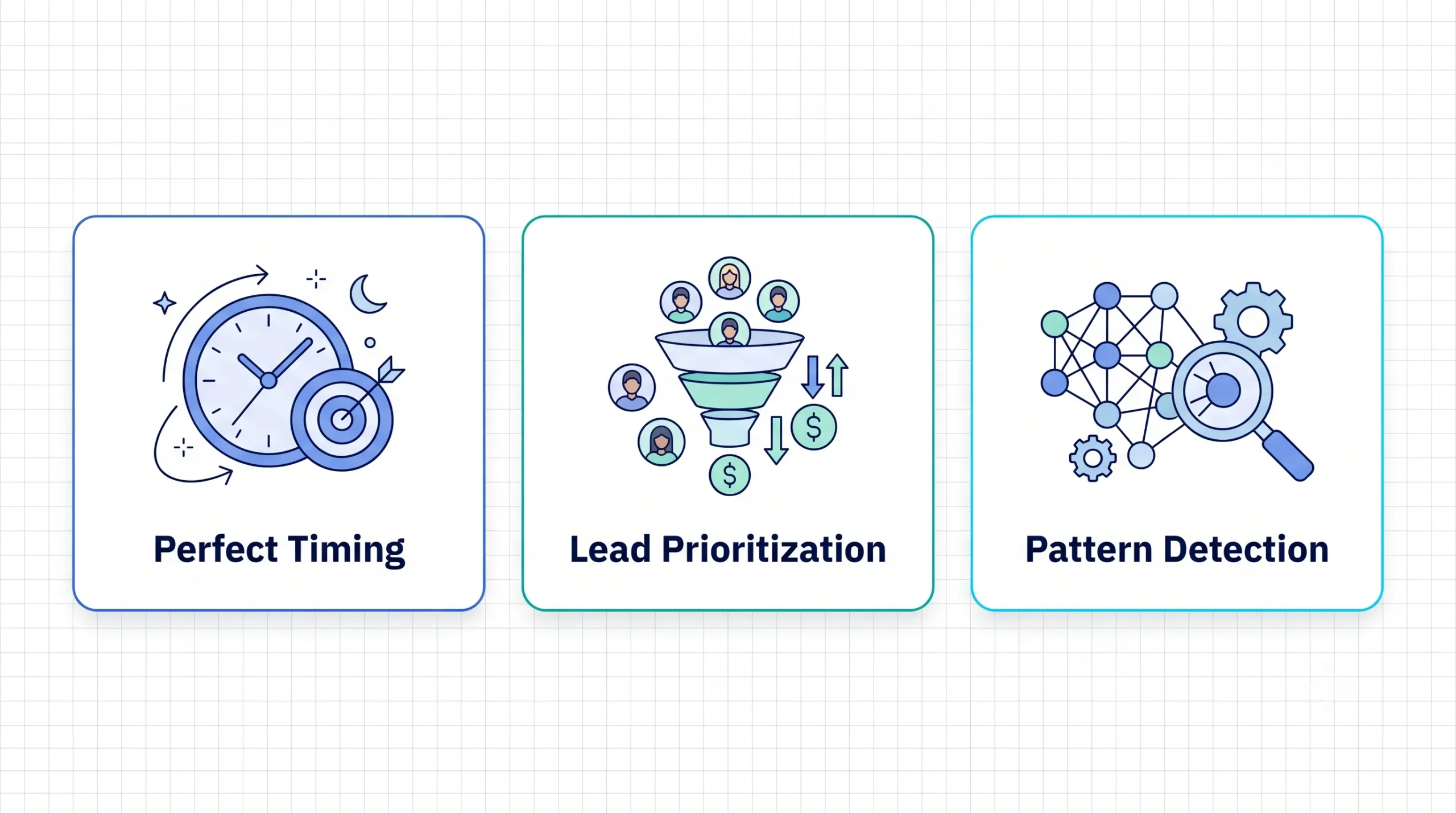
It manages timing, list prioritization, and hidden pattern detection at a scale humans cannot match. It does the heavy lifting to drive engagement and results.
You cannot sit at your computer for twenty-four hours a day watching what your subscribers click. You have to sleep. You have to make content. You have to run your business.
The software handles the tedious observation phase for you.
Perfect Timing Delivery
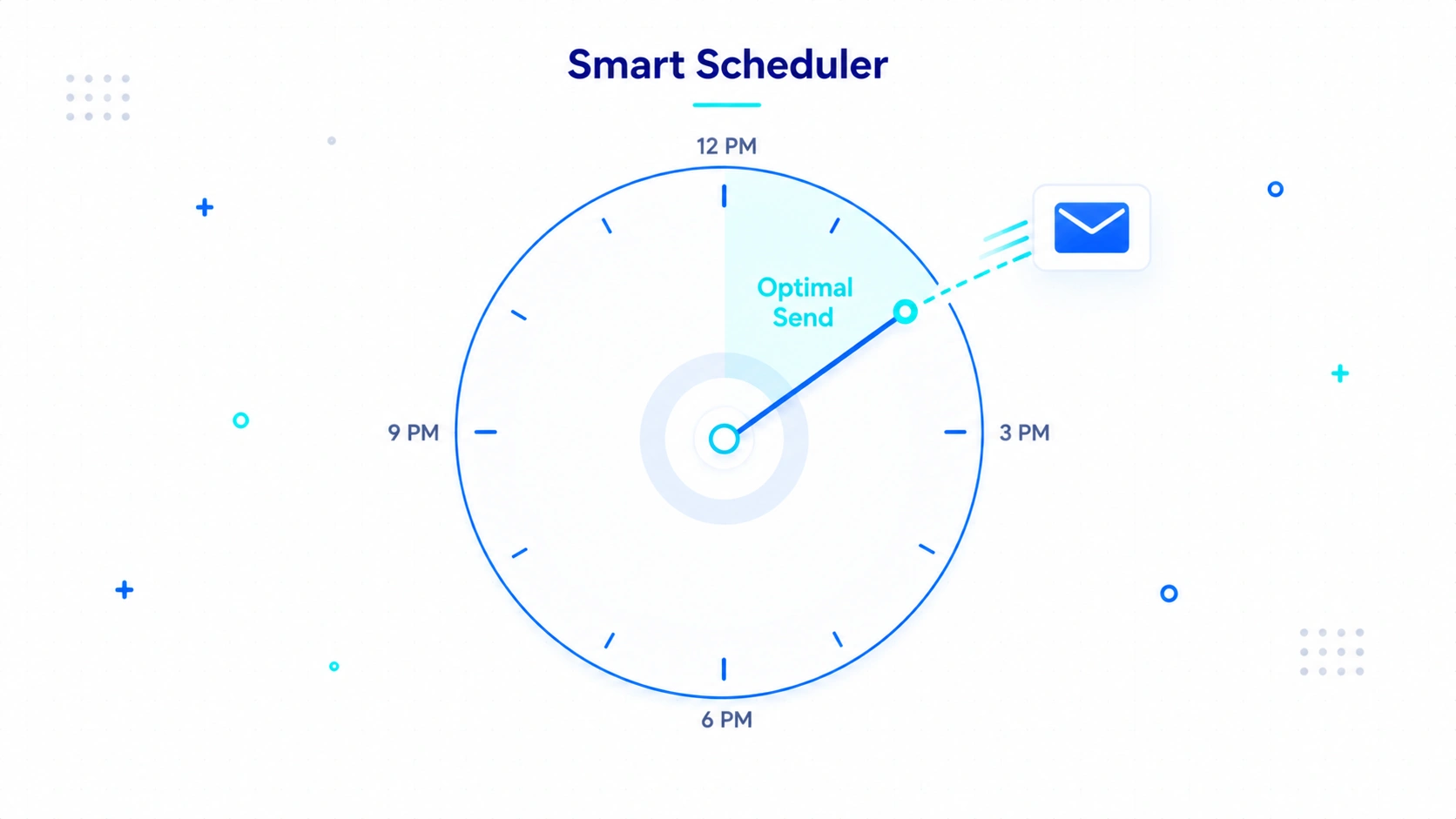
Humans guess the best time to send an email based on industry averages. The software adapts delivery to match each subscriber’s historical open windows.
Timing beats frequency every single time. Sending ten emails is frequency. Sending one email exactly when they are looking at their phone is perfect timing.
Consider the Newsletter Operator. You have a subscriber who works night shifts. They only open emails at midnight.
If you send your email at 10 AM, it gets buried under fifty promotional emails by the time they wake up. The software shifts their delivery slot to match their late-night habits automatically. You get a higher open rate without lifting a finger.
Lead Prioritization
Humans treat all subscribers equally. The software flags the exact people who actively engage and are ready to buy today.
Prioritization beats volume. You do not need to reach two thousand people. You need to reach the five people holding their credit cards.
Consider the Solo Freelancer. You have a list of two thousand past clients and cold prospects. You cannot manually email all of them every week.
A prospect visits your consulting application page twice in four hours but does not submit the form. A human misses this completely. The software flags the profile instantly and sends a Slack notification to your phone.
Behavioral Pattern Recognition
Humans guess what readers want based on replies. The software watches what links they secretly click.
We assume our audience wants exactly what we tell them they want. We ignore the subtle signals they send us every day. The software catches the micro-actions, adjusts the profile with adaptive memory, and coordinates the next touchpoint through its unified campaign agent.
The mechanics behind the software: How it handles user actions
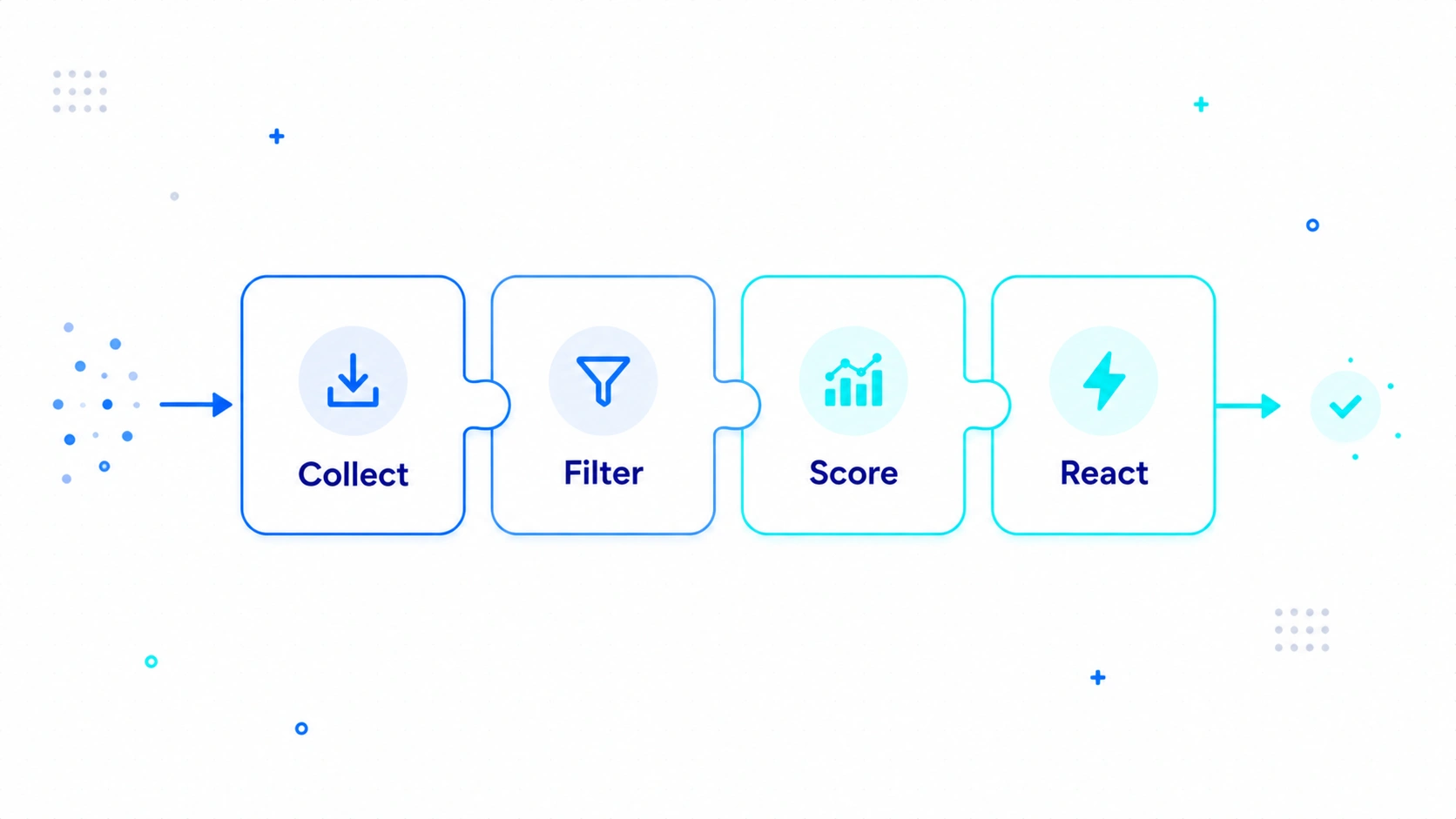
The software records a live action and instantly alters the next scheduled message block. It handles the routing so you can focus on driving results and growing revenue.
You do not need to understand database architecture to use this tool. You only need to understand how the system routes business decisions.
We can map this process using a simple four-step structure.
The Live Data Pipeline Model
- Phase 1: Collection. Raw interaction data enters the central contact record. The system watches a subscriber move from your email to your blog.
- Phase 2: Validation. The system filters the noise. It ensures the data entering the profile represents a real human action instead of a bot click.
- Phase 3: Evaluation. The software assigns a business value to the behavior using account depth. A visit to the checkout page gets a higher priority score than a visit to the home page.
- Phase 4: Execution. The tool changes the marketing sequence based on the new score. It drops the user into a targeted sales sequence automatically, factoring in external signals and campaign goals.
The Affiliate Blogger Scenario
Let us look at a practical example. You run a blog reviewing software tools.
A reader joins your list to get a free SEO checklist. Over the next three days, they visit three separate articles about email delivery tools on your website.
The software records those visits. It flags their profile as highly interested in email software.
The system intervenes. It stops sending them general marketing tips. It routes them into an advanced email sequence containing your specific affiliate links for email platforms. The system increases the chances that the right affiliate offer reaches the right reader at the right time.
Why Proactive Intelligence matters for a small creator team
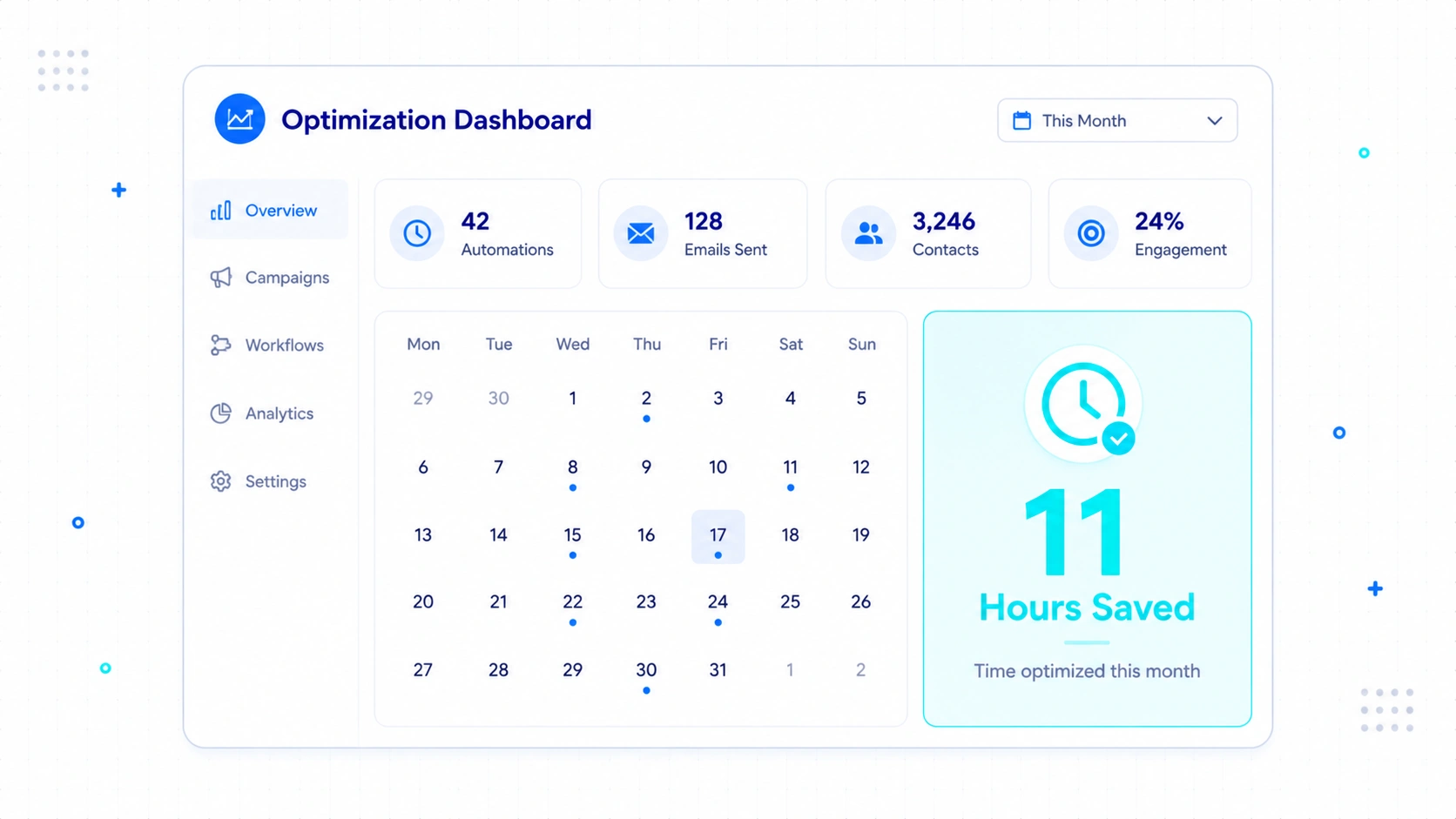
It eliminates administrative drag, unlocks operational efficiency, and drives consistent engagement without burning you out. It scales your results so you can focus on high-impact revenue and content creation.
Small business owners have a terrible habit of doing repetitive administrative work. We take pride in the grind. We waste hours cleaning spreadsheets and deleting cold subscribers.
That is a massive waste of capital. Your job is to create products, drive results, and close deals. Your job is not database maintenance.
Smart software reclaims your operational capacity and channels it directly into business growth.
Operational Efficiency & Performance Analysis
| Administrative Task | Manual Approach | Active Intelligence 3.0: Wavelength | Results & Capacity Reinvested |
| List Cleaning | Deleting inactive users manually. | Automatic engagement score drops. | Cleaner sender reputation & higher inbox placement (2 Hours reinvested) |
| Lead Routing | Checking form answers to tag leads. | Automatic profile updates via clicks. | 3 Hours |
| Send Time Testing | Running A/B tests for open rates. | Predictive sending models. | 4 Hours |
| Cart Recovery | Exporting abandoned carts to email. | Instant trigger sequences. | 2 Hours |
| Total Time Recovered | 11 Hours | 0 Hours | 11 Hours |
Eleven hours a month is an entire working day. You can use that day to script two new YouTube videos. You can use it to write four blog posts. You can use it to rest.
What are the main revenue problems this technology solves?
It stops cart abandonment leaks and prevents you from sending conflicting pitches to the same person. It fixes the invisible holes in your sales process.
You are losing money right now because your messaging is out of sync with your audience. You are annoying your best customers. You are ignoring your warmest leads.
Active systems fix these revenue leaks using specific routing rules.
The Adaptive Message Matrix
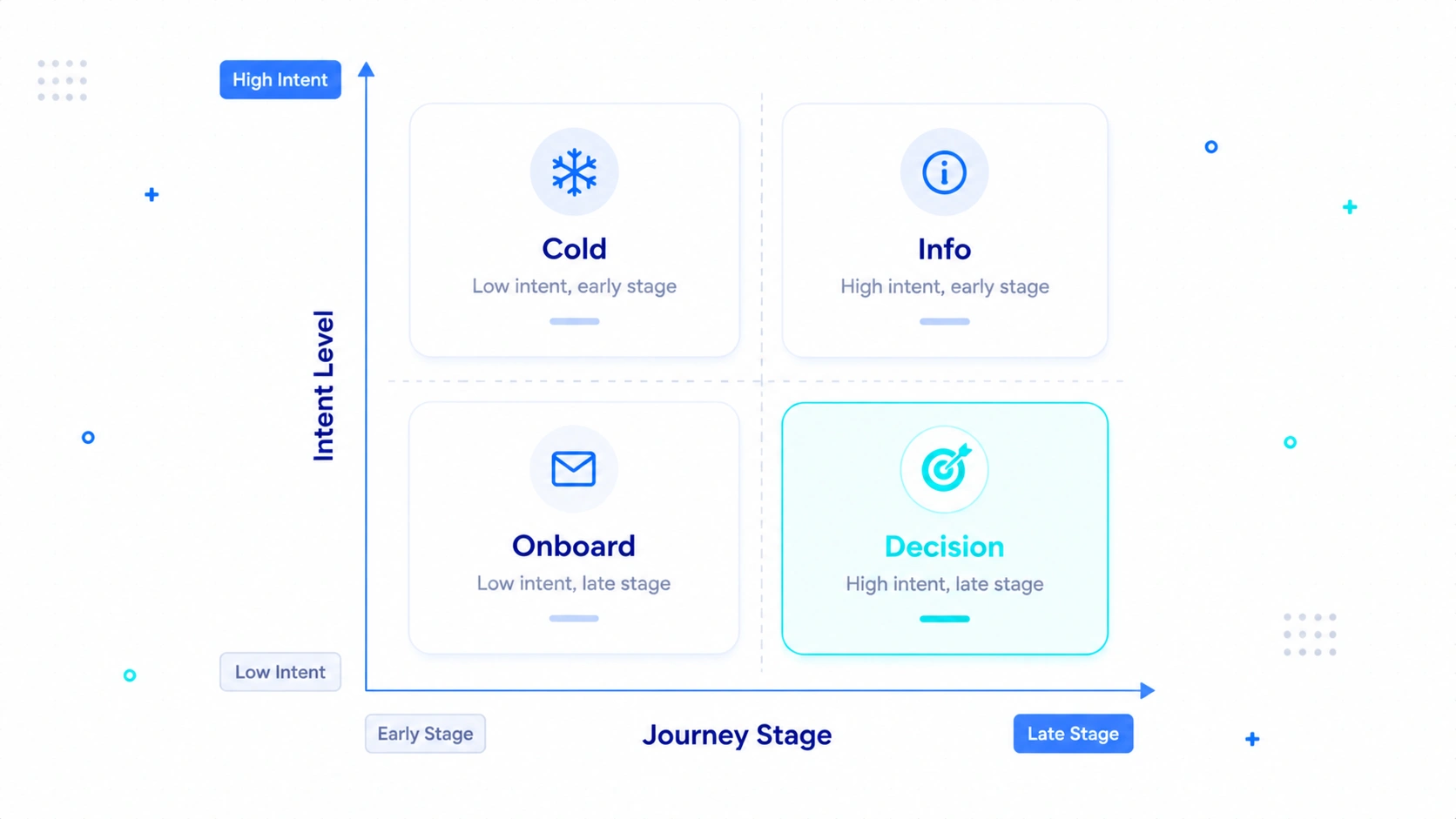
This matrix determines what content a lead sees based on their current engagement score. It stops you from pitching the wrong offer.
- Quadrant 1: Cold State. The subscriber barely opens emails. The system sends them foundational content and avoids hard sales pitches.
- Quadrant 2: Informational State. The subscriber clicks educational links. The system shifts to specific tool walkthroughs to build authority.
- Quadrant 3: Decision State. The subscriber visits pricing pages. The system presents exact pricing tables, comparison metrics, and direct offers.
- Quadrant 4: Retention State. The subscriber buys the product. The system stops all promotional emails and focuses entirely on onboarding steps.
The Niche YouTuber Scenario
You run a channel reviewing camera gear. You promote a $200 beginner camera and a $2,000 professional cinema camera.
A viewer clicks a link for a video editing laptop review in your email. They click a link about color grading software. They ignore your links about beginner lighting setups.
The software tags their profile as a professional hardware buyer. It pushes them into the Decision State for high-end gear. It automatically updates their next newsletter to feature your $2,000 cinema camera guide.
Without this software, you would have sent them the $200 beginner camera pitch. They would have ignored it. You would have lost a massive affiliate commission because your message did not match their intent.
When is Active Intelligence highly useful for your business?
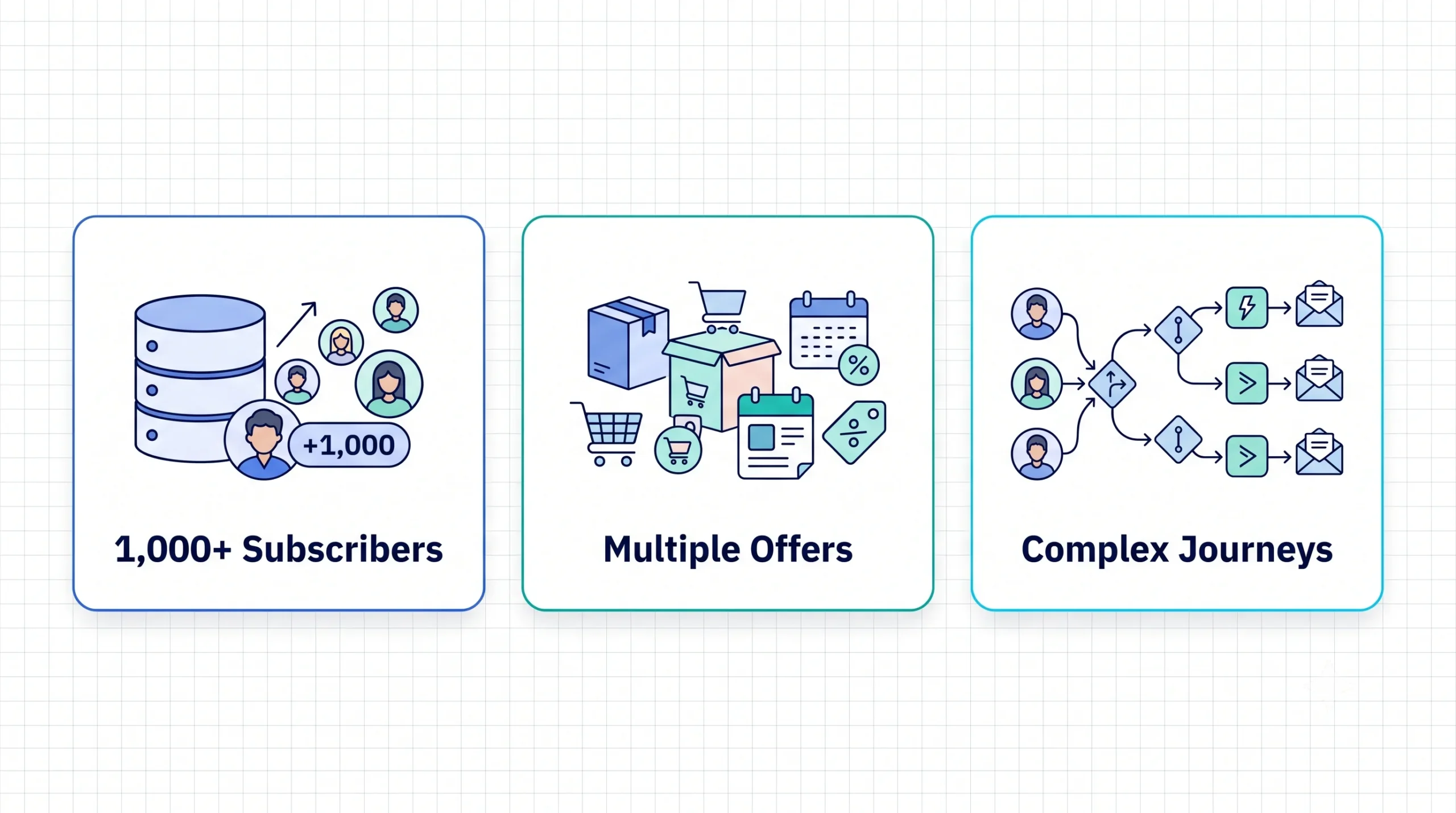
This technology becomes useful when you have at least one thousand subscribers and more than one product offer. It helps when human segmentation becomes impossible.
You do not need a massive corporate budget to use these tools. You just need enough complexity in your business to justify the setup time.
If you sell multiple things, you need smart routing.
The Business Readiness Checklist
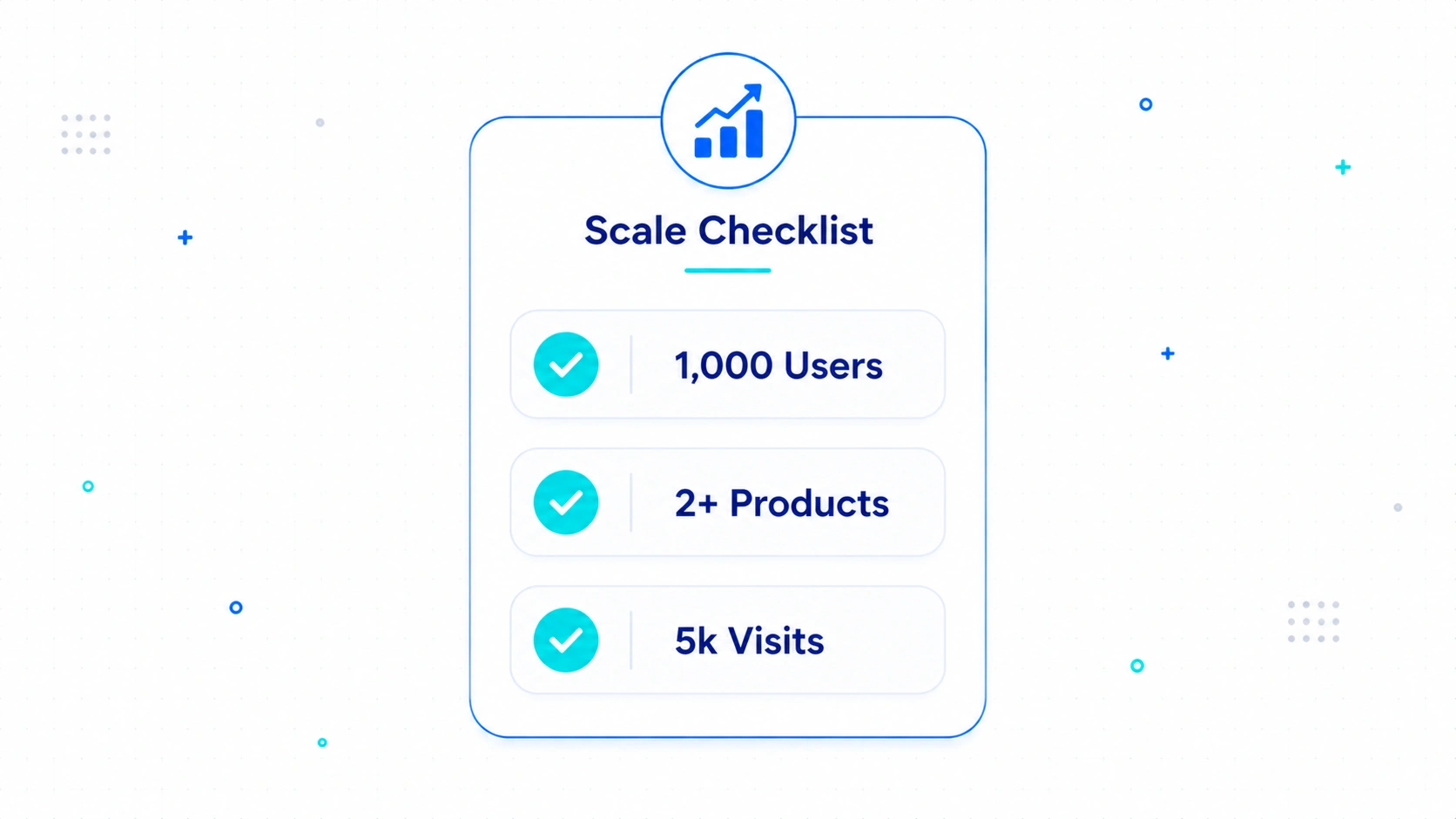
Use this checklist to see if you actually need to upgrade your marketing stack today.
- Do you have more than 1,000 active email subscribers?
- Do you sell more than one product or service?
- Does your website get more than 5,000 unique visitors a month?
- Does your product require multiple touchpoints before a customer buys?
- Are you spending more than three hours a week manually managing your email list?
If you answered yes to at least three of these questions, the software is more likely to justify the additional complexity and cost. It may help you capture opportunities that are currently slipping through the cracks.
When is this smart software completely unnecessary?
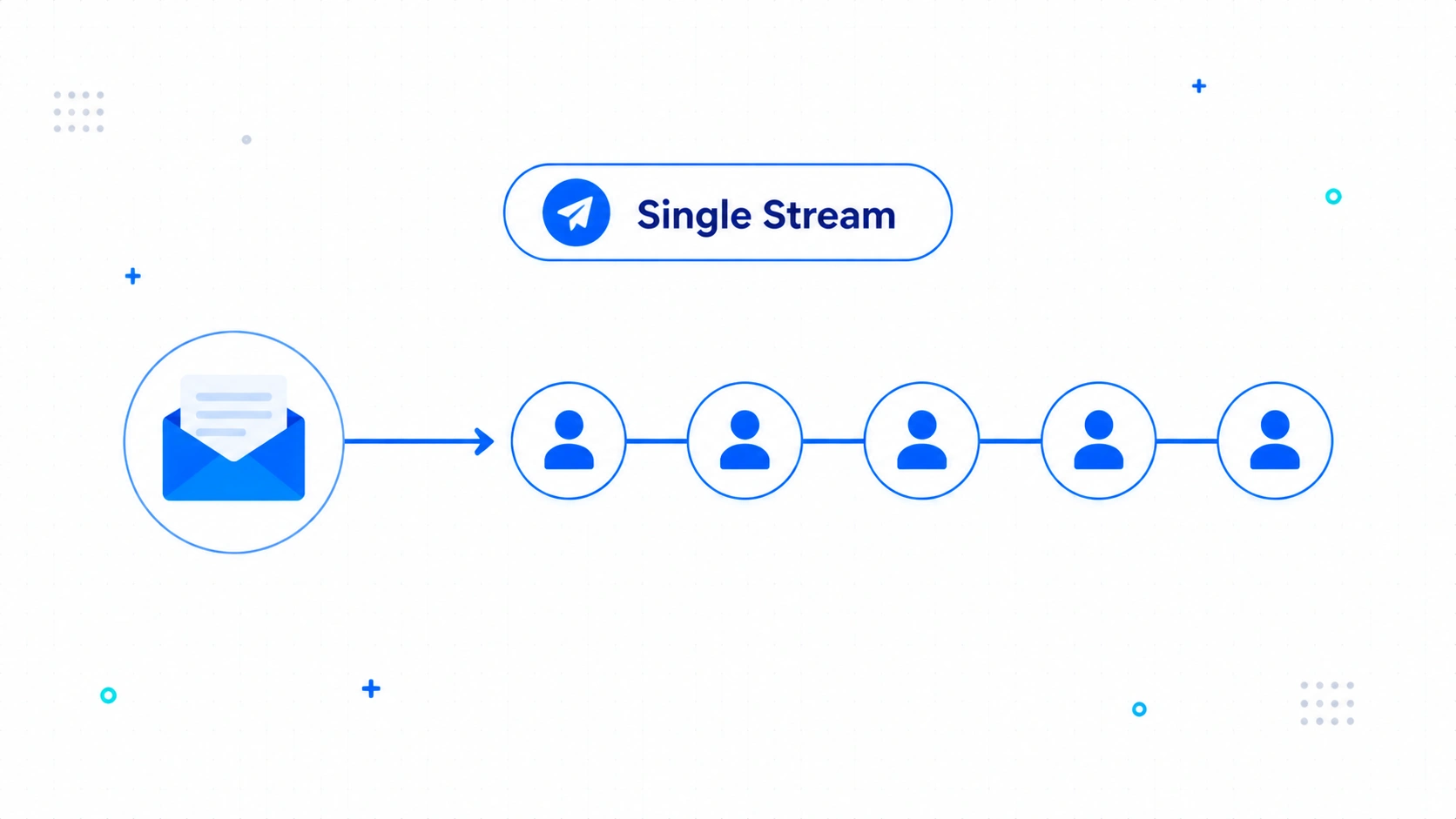
Skip this technology entirely if you run a single-offer newsletter with a small list. You do not need smart routing when everyone gets the exact same email.
I see beginners make this mistake constantly. They start a blog. They get fifty subscribers. They immediately buy a complex marketing platform to get predictive sending.
That is burning cash for no reason. Do not buy a tractor for a window box garden.
If you write a weekly newsletter and only monetize through simple sponsorships, you do not need behavioral tracking. You just need a reliable delivery tool. Save your money and use simple date-based newsletters until your traffic scales.
Common implementation mistakes to avoid
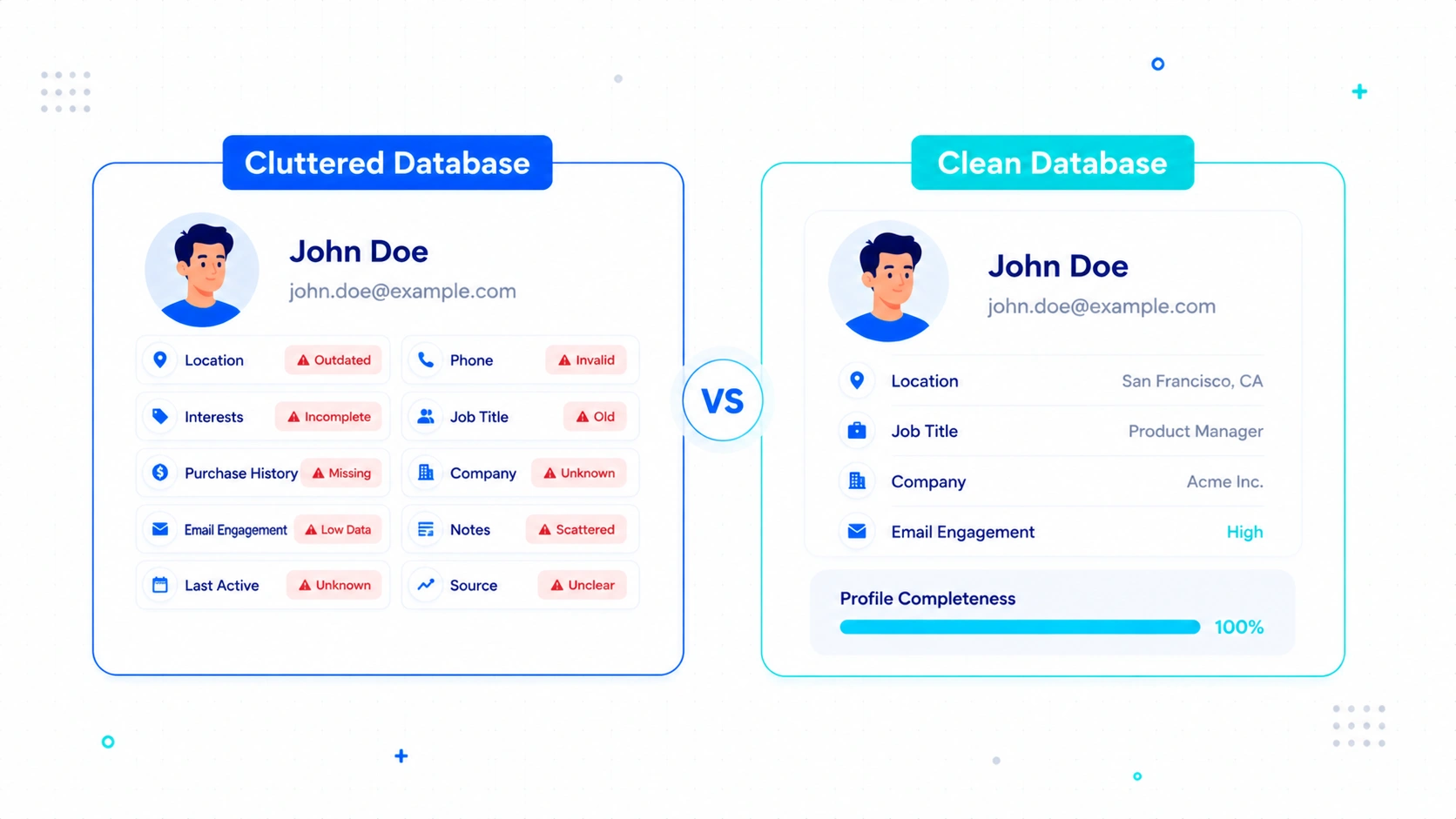
The biggest issues are over-tagging profiles and letting software write every human message. Creators collect too much useless data and ruin their own databases.
When people buy active systems, they get excited. They turn on every single tracking feature. They create fifty different behavioral tags.
This creates a chaotic database. The software gets confused. Campaigns overlap. Subscribers get three emails on the same day.
Bad Habits vs Better Approaches
| Common Creator Mistake | The Better Approach |
| Over-Tagging: Creating a new tag for every single link a user clicks. | Score Tracking: Using a single custom field that adds a point for high-value clicks. |
| Robotic Copywriting: Letting AI generate generic subject lines. | Human Voice: Writing your own subject lines but letting the system test the send times. |
| Instant Triggers: Sending a hard sales email the exact second someone views a page. | Delayed Routing: Waiting 24 hours to see if the user returns before sending the pitch. |
| The Setup Trap: Spending three months building a perfect automation maze. | The Simple Start: Building one simple abandonment sequence and turning it on today. |
The Course Creator Scenario
A student watches the first module of your premium course three times. They stop before starting module two. They do not log in for a week.
A bad setup triggers an automated email saying “Looks like you forgot to finish your course.” It feels cheap.
A good setup notices the drop in speed. It triggers a task for you. You send a text-only email from your personal address asking what specific concept needs more explanation.
The software identified the problem. The human fixed it. Do not over-automate the relationship.
How to start without breaking your current marketing setup
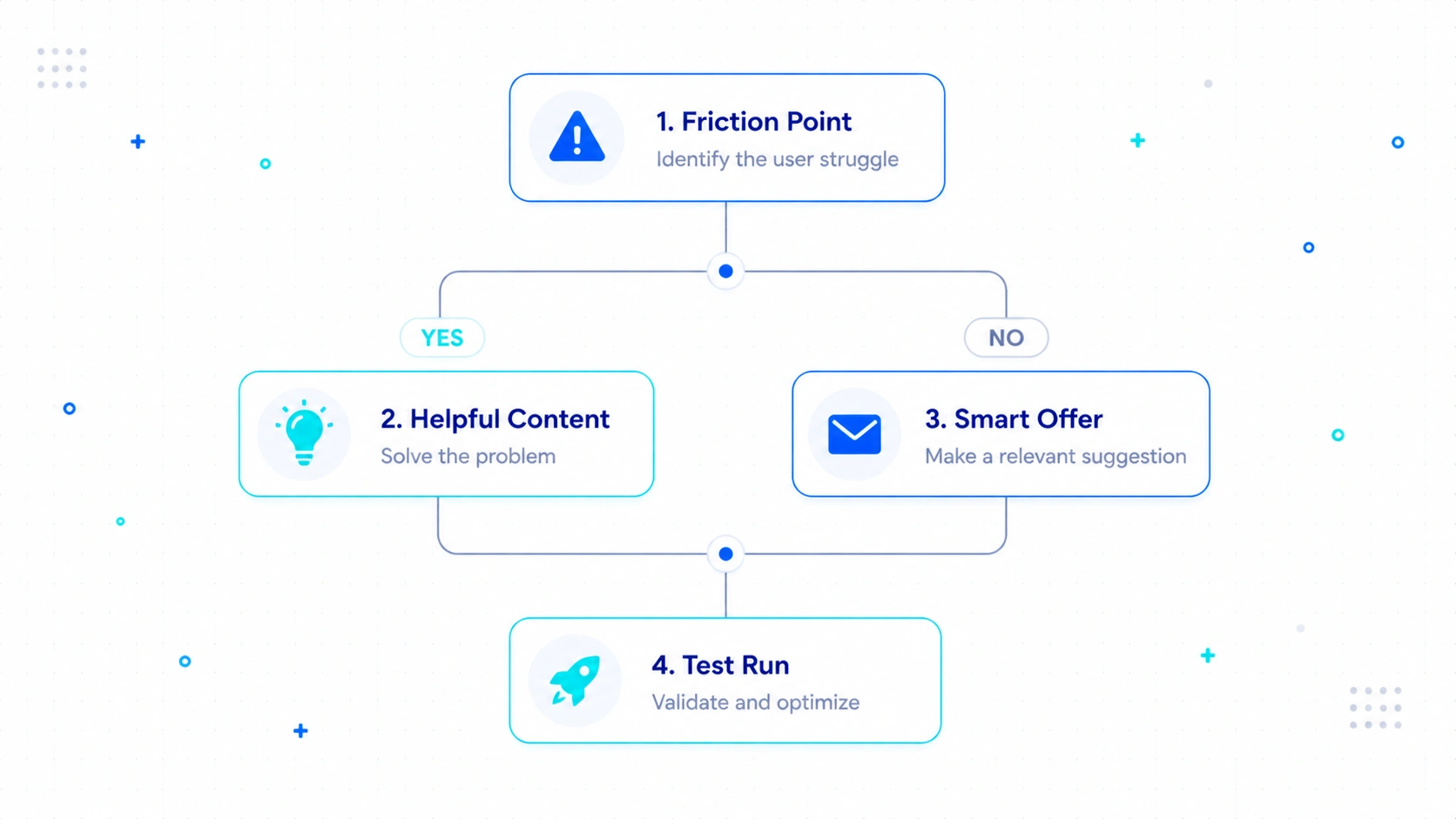
Pick one specific product funnel to test before changing your entire database setup. Run a small test drive instead of a massive migration.
Do not tear down your existing email list tomorrow morning. That is a massive risk. You will break your current revenue streams.
Isolate the technology. Apply it to one single problem. Measure the results.
The Operational Decision Tree
Use this step-by-step logic to implement smart tracking safely.
- Step 1: Identify the Friction Point. Look at your business. Where are you losing the most money? Pick one single problem to fix.
- Step 2: Apply the Tracking Code. Place the script only on the pages related to that specific problem. Keep the data flow small.
- Step 3: Define the Intent Signal. Decide exactly what action proves the user wants to buy. Set the rule.
- Step 4: Build the Reaction Sequence. Draft a short sequence that directly addresses the problem. Keep the formatting simple.
- Step 5: Run the Dummy Test. Push three test emails through the system. Click the links yourself to ensure the tags update correctly.
- Step 6: Go Live on One Funnel. Turn the system on for real traffic. Watch the data for two weeks before expanding to your next product.
Stop Hoarding Data. Start Making Decisions.
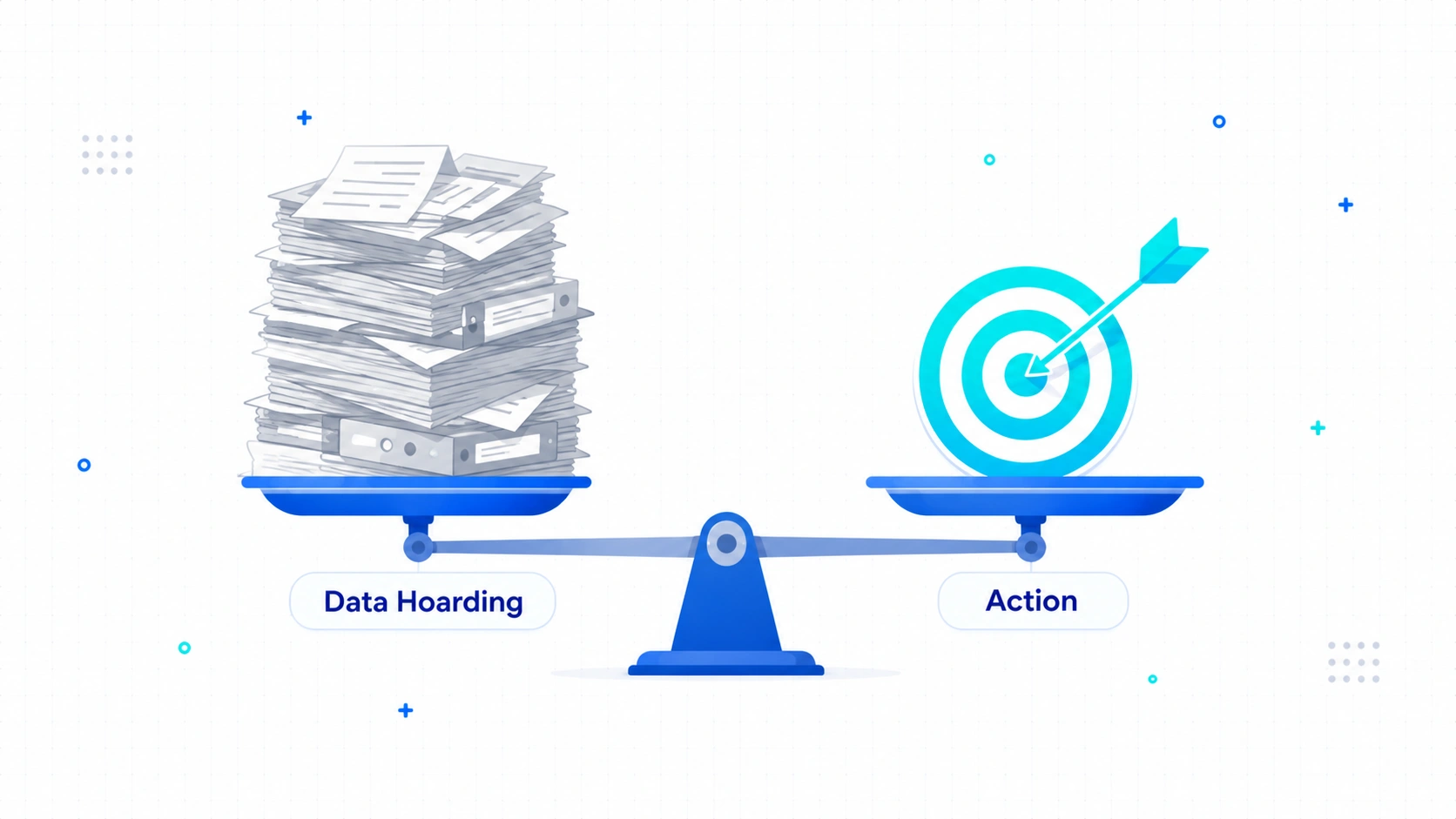
We need to stop confusing information collection with good judgment. Data hoarding is an ego trip. It creates an illusion of control.
It makes you feel like you are running a massive operation just because your dashboard has a lot of green arrows. Active Intelligence matters because it shifts your focus from gathering data to making decisions.
Stop measuring your list size. A list of fifty thousand people who ignore you is worthless. Start measuring your intent velocity.
Track the speed at which a casual reader turns into a buyer. Watch the exact behaviors that trigger a sale. Use the software to catch those behaviors in real time.
Information is cheap. Judgment is expensive. You do not need a bigger database. You need a better filter.
Listen for the signal. Ignore the noise. Let the software track the data while you focus on understanding the customer.
Frequently Asked Questions
What is Active Intelligence in marketing?
It is marketing software that uses real-time behavioral tracking to alter campaign delivery. It watches what a user clicks and adjusts the next email to match their immediate interests automatically.
Do I need a developer to set this up?
No. Modern active systems are built for non-technical users. You install a basic tracking script on your website and use a visual interface to set your scoring rules.
How does predictive sending actually work?
The software analyzes the historical open data of every single subscriber. It holds your broadcast email and delivers it to each person at their exact preferred opening time.
Will this technology make my emails sound robotic?
Only if you let it write your copy. The software handles the routing and timing. You still write the actual emails yourself using your own voice.
How does this affect user privacy and data collection?
You must clearly state your tracking practices in your website privacy policy. Active systems rely on first-party data from your own website, not third-party data from shady brokers.
Can I use Active Intelligence for physical products?
Yes. You can track exactly which product categories a user browses. The system will automatically feature those specific product types in their next newsletter.
Is it worth the higher monthly cost?
It depends entirely on your product margins. If you sell high-ticket items, the system only needs to recover one lost lead a month to pay for itself for the entire year.